A famous name on the gate is no longer unusual in Gurugram. From Italian supercar heritage to global hotel brands, branded residences have moved from novelty to mainstream in a few years. But what does a brand really add to a home, what does it cost, and how should a serious buyer judge two of the market's most talked-about launches?
Key Takeaways
- Savills India counts global branded-residence schemes rising from 764 in December 2024 to a projected 910 by the end of 2025, a 19% jump. India ranks sixth worldwide with about 4% of supply, according to Knight Frank.
- Not all brands play the same role. A hospitality operator can run services; a lifestyle brand licenses its name and design language. The difference decides what you actually receive.
- Tonino Lamborghini Residences (Sector 71, SPR) is structured as a brand licence. The Westin Residences (Sector 103, Dwarka Expressway) carries a hospitality name and a service-led promise.
- Ask for the licence terms, service scope and maintenance costs in writing. A brand adds value only if it is backed by contract and delivery.
What "branded residence" really means
The term covers three quite different arrangements, and buyers often assume they are the same thing.
- Operator-branded residences. A hospitality company such as a hotel group attaches its name and, in many cases, its service standards. Concierge, housekeeping, wellness and in-residence dining may be delivered to the operator's standards, usually for a fee.
- Licensed lifestyle brands. A fashion, automotive or design house licenses its name and design philosophy to a developer. The brand shapes aesthetics, materials and signature spaces, but the developer typically remains responsible for construction and day-to-day management.
- Developer-created brands. The developer builds a premium identity of its own, with no third-party name involved.
Knowing which model you are buying into is the single most useful step, because it tells you who is accountable for what.
Why branded living is surging
Globally, branded residences are one of the fastest-growing segments of luxury real estate. Savills India estimates that schemes worldwide grew from 764 in December 2024 to around 910 by the end of 2025, roughly 19% in a year. Knight Frank's Wealth Report places India sixth in the world, with close to 4% of global supply, and market participants describe Gurugram as the clear front-runner in the country.
The reasons are straightforward. Wealthy buyers increasingly want services, design and community rather than just square footage. Developers, in turn, use a recognised brand to stand out in a crowded luxury market and to justify higher price points. For buyers, that combination can deliver genuine lifestyle benefits, but it can also hide meaningful costs and dependencies.
Case study 1: Tonino Lamborghini Residences, Sector 71
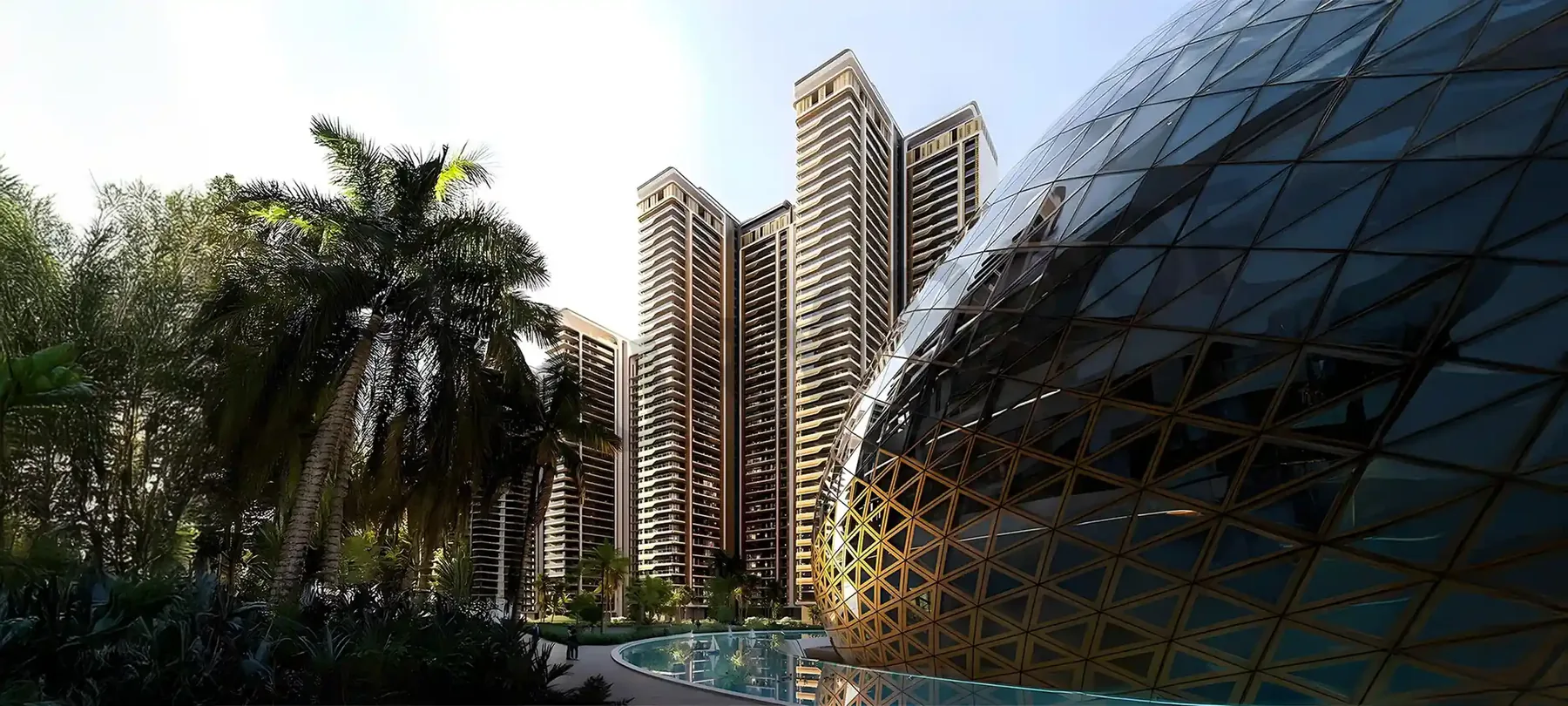
In April 2026, Signature Global announced a licence agreement with Italian lifestyle brand Tonino Lamborghini to brand a premium residential project in Sector 71, on Southern Peripheral Road. The development spans about 12.4 acres and will offer 812 residences in 3, 4 and 4.5 BHK configurations. It marks the brand's first entry into Indian residential real estate.
Two details from the company's own filing are worth understanding. First, the arrangement is a brand licence: the commercial terms include a flat fee paid in instalments plus an additional fee if project revenue crosses a specified threshold. That means the brand is paid to lend its identity, while Signature Global remains the developer responsible for delivery. Second, the brand's design philosophy is intended to influence building façades, common areas and amenities such as lobbies and clubhouses, with branded products featured in shared spaces.
For a buyer, the appeal is a distinctive Italian design identity in a large, amenity-rich project on a corridor that continues to attract luxury launches. The questions are equally clear: how long does the licence run, what happens to the branding if the agreement ends, and how much of the "signature" design is contractually specified? Our Tonino Lamborghini Residences page lists the current amenities and configurations, and our team can share what the developer has committed in writing.
Case study 2: The Westin Residences, Sector 103
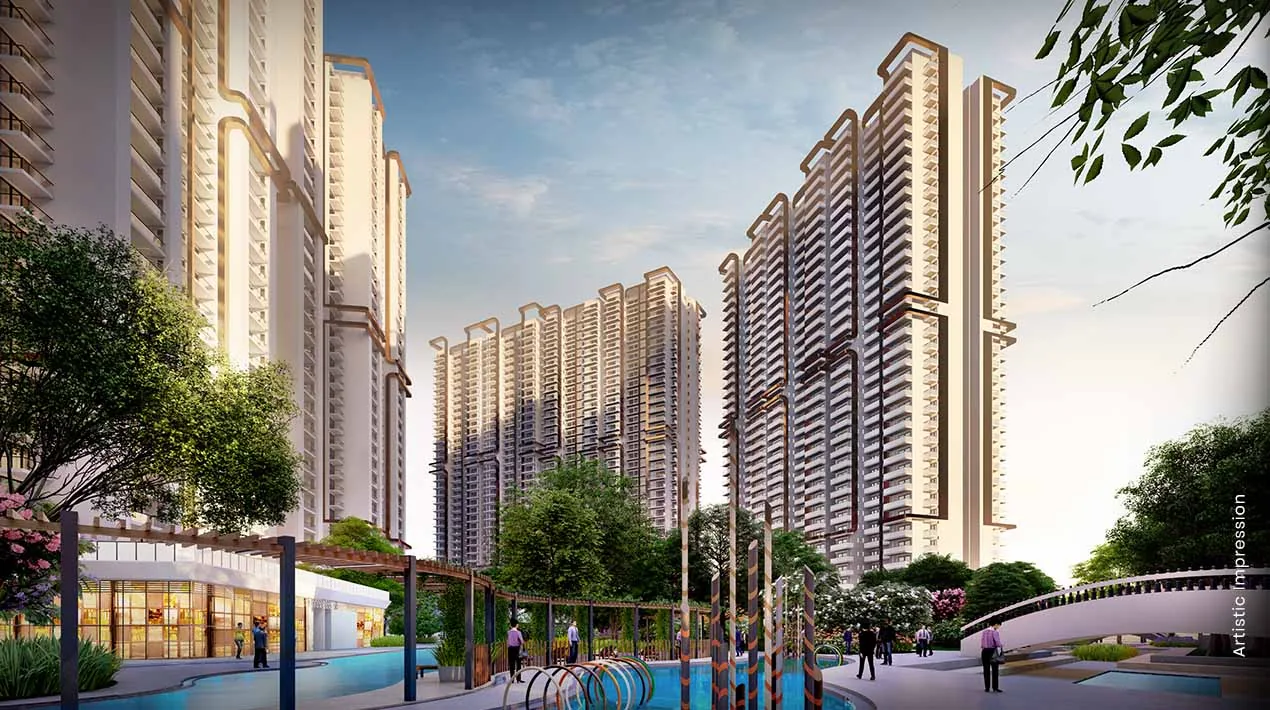
The Westin Residences Gurgaon sits on Dwarka Expressway in Sector 103, carrying the name of one of Marriott's best-known hotel brands. Westin positions itself around wellbeing, and the project's positioning follows: a concierge-led lifestyle, wellness facilities, landscaped podium gardens and a clubhouse arrival experience designed to feel closer to a resort than to a conventional society.
Hospitality-branded projects promise something that a purely design-led brand cannot: professional service culture. The value, though, depends on the contract. Buyers should establish whether services such as concierge, housekeeping or in-residence dining are operated by the hotel brand or by the developer's facility team, what is included in maintenance charges and what is billed separately. Full details of the configurations and amenities are on our Westin Residences page.
Tonino Lamborghini and Westin, side by side
| Factor | Tonino Lamborghini Residences | The Westin Residences |
|---|---|---|
| Corridor | Southern Peripheral Road, Sector 71 | Dwarka Expressway, Sector 103 |
| Brand type | Licensed lifestyle brand | Global hospitality brand |
| What the brand shapes | Design language, façades, signature spaces | Service culture, wellness positioning |
| Scale | ~12.4 acres, 812 homes (3, 4, 4.5 BHK) | Serviced 3 and 4 BHK residences |
| Key thing to verify | Licence term and design commitments | Who operates services and what they cost |
Project details as published by the developers and as listed on our project pages; confirm the latest specifications against the RERA-registered documents.
What you actually pay for
Branded residences usually sell at a premium to comparable unbranded homes nearby. Industry commentary varies on how large that premium is and how well it holds on resale, so rely on local comparables rather than a headline percentage. Ask for recent transaction prices in similar projects on the same corridor and compare them with the branded launch's price per sq. ft.
Also budget for the ongoing side of the equation. Service-rich communities generally carry higher maintenance charges, and hospitality-style services may be billed on top. Clarify how charges are set, who can revise them and what happens if service levels fall short.
Resale deserves its own line in your analysis. Branded homes tend to attract a narrower pool of buyers, because the next purchaser must also value the brand and accept the higher running costs. In a rising market that narrowness rarely matters, but in a slower one it can lengthen selling times. Look at how quickly similar branded units have resold elsewhere in NCR, and be realistic about your holding period before you commit.
A brand can raise the quality of design and service and improve the property's visibility in the resale market. It cannot guarantee price appreciation, and it does not replace a strong developer, a fair price and a clear contract.
Eight questions to ask before you buy
- Is the brand an operator, a licensor or only a design consultant?
- How long is the brand agreement, and what happens when it ends?
- Which services are included, and which are chargeable?
- What is the estimated monthly maintenance per sq. ft., and how is it revised?
- Which elements of the brand's design are contractually committed?
- What is the developer's delivery record on projects of this scale?
- Is the project RERA-registered, and what is the promised possession date?
- How does the price compare with unbranded projects in the same micro-market?
Who should and should not consider branded residences
Branded living suits buyers who value design cohesion, managed services and a distinctive address, and who are comfortable paying more for them, including NRIs who prefer professional management from a distance. It is less suitable for buyers who prioritise the lowest running costs or who plan a short-term flip without a clear view of resale demand.
Frequently asked questions
The bottom line
Branded residences are a real and growing part of Gurugram's luxury market, and both Tonino Lamborghini Residences and The Westin Residences show how differently a brand can be used. Judge them the way you would judge any expensive purchase: by contract, developer, price and location first, and by the logo second. If you would like a comparison of both projects against unbranded alternatives on the same corridors, our advisors can prepare one for you.
Sources: Signature Global stock exchange filing and press release (16 April 2026), Savills India, Knight Frank Wealth Report as cited in the announcement. Project details are indicative and subject to change; verify against RERA-registered documents.
This article is for general informational purposes only and does not constitute financial, legal or tax advice. Property market data, prices and regulations change; please verify current figures with official sources and consult a qualified professional before making investment decisions.